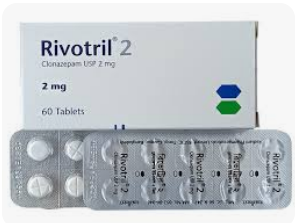
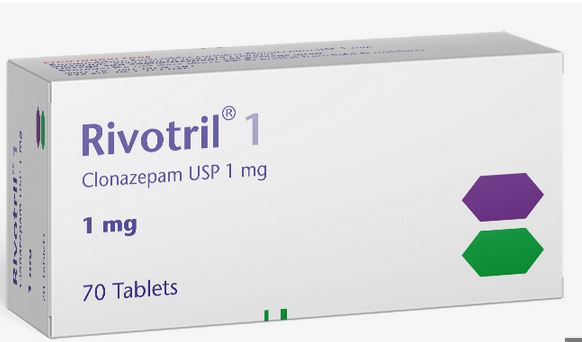

Description
What is Rivotril Clonazepam used for?
Rivotril belongs to a class of medicines called benzodiazepines . Benzodiazepines are commonly used as sedatives or to reduce seizures or anxiety.
What Symptoms does Clonazepam treat?
Rivotril is used to treat seizures or fits due to Epilepsy. It also is used to treat involuntary muscle spasms and panic disorder. It helps by slowing down the activity of the nerves in the brain (ie the central nervous system).
These medicines may be available under different brand names and / or in different forms. A specific brand name for this medicine may not be available in all forms or approved for all the conditions discussed here. It is also not certain that some forms of this medicine are used for all the conditions discussed here.
Your doctor may have suggested this medicine for conditions other than those listed in this article. Talk to your doctor if you have not discussed this with your doctor or do not know why you are using this medicine. Do not stop taking this medicine without consulting your doctor.
Do not give this medicine to anyone else, even if they have the same symptoms as you. It can be harmful for people to take this medicine if their doctor has not prescribed it.
Who should NOT take this medicine?
Do not use Rivotril if you:
> are allergic to Rivotril or any of the other ingredients of this medicine
> had an allergic reaction to other benzodiazepines (eg lorazepam, diazepam, oxazepam)
> has a sharp or closed angular glaucoma
> the myasthenia gravis
> have severe breathing problems
> suffers from severe liver disease
> sleep apnea it
Rivotril can be used by people with open-angle glaucoma who receive the right treatment.
What are the possible side effects of this medicine?
Many medications can cause side effects. A side effect is an unwanted reaction to medication when taken in normal doses. Side effects can be mild or severe, temporary or permanent.
The side effects listed below are not experienced by everyone who takes this medicine. If you are concerned about side effects, discuss the risks and benefits of this medicine with your doctor.
The following side effects have been reported by at least 1% of those taking this medicine. Many of these side effects can be managed, and some may go away on their own over time.
Contact your doctor if you experience these side effects and it is serious or bothersome. Your pharmacist may be able to advise you on the treatment of side effects.
1. clumsy or unstable
2. delayed response
3. dizziness or dizziness
4. drowsiness
5. increased water of that mouth
6. spierswakheid
7. unusual tiredness or weakness
Although most side effects do not occur frequently, they can cause serious problems if you do not seek medical help.
Contact your doctor as soon as possible if any of the following side effects occur:
1. abnormal thinking (disorientation, errors or loss of sense of reality)
2. anxiety
3. behavioral changes (eg aggression, restlessness, unusual tension, nervousness or irritability)
4. confusion
5. cramps (attacks)
6. Hoes
7. hallucinations (hearing or seeing things that are not there)
8. increased fall
9. memory loss of recent events
10. nightmares or sleep problems
11. signs of depression (eg poor concentration, weight changes, sleep changes, decreased interest in activities, suicidal thoughts)